
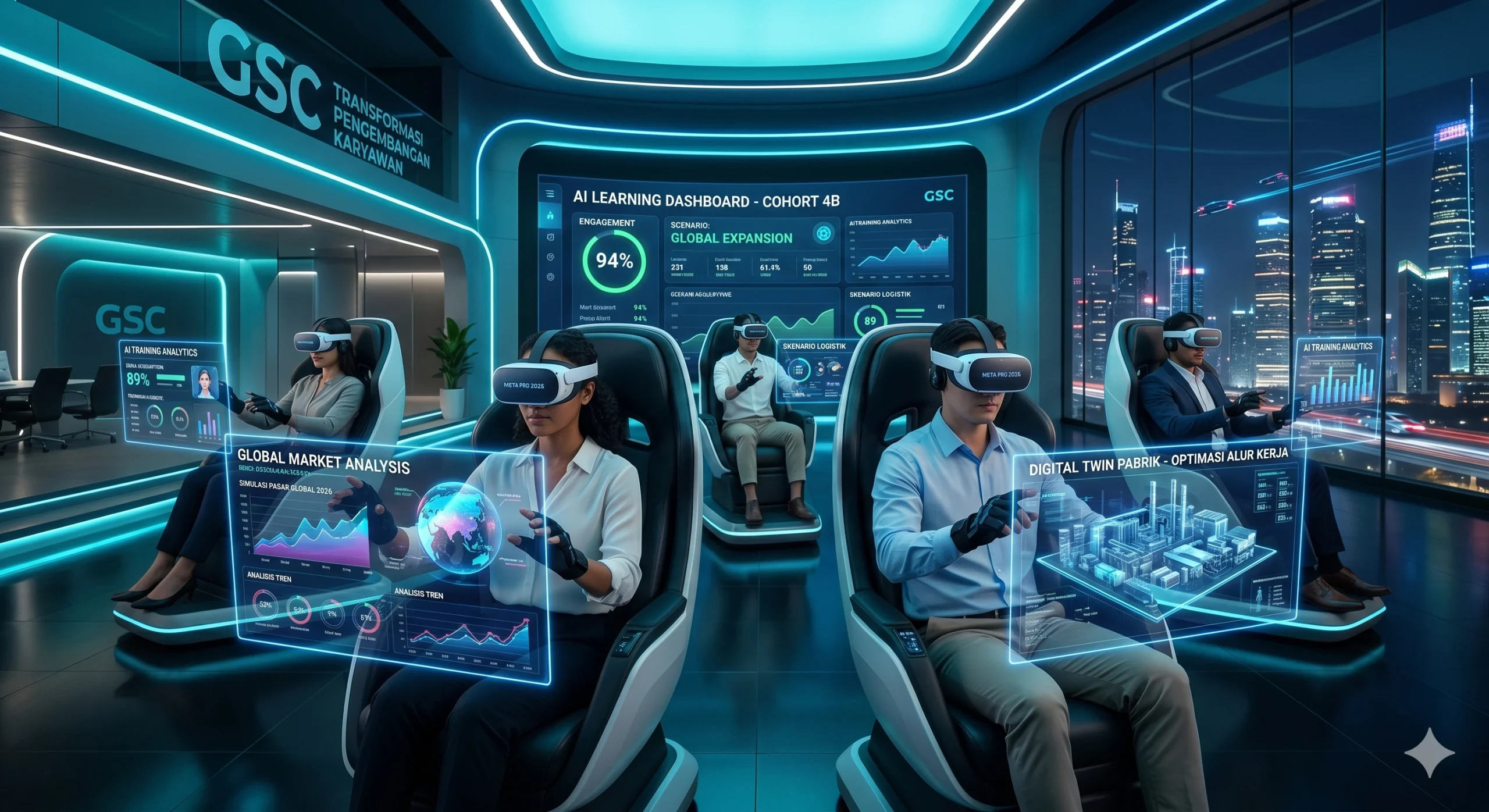
The landscape of professional development has shifted fundamentally. In previous decades, cultivating high-potential employees often meant gathering groups in sterile conference rooms for day-long seminars. Today, that model is increasingly insufficient for organizations managing distributed teams, hybrid schedules, and global operations. As businesses adapt to a decentralized world, virtual leadership training has transitioned from a temporary stopgap to a sophisticated, essential pillar of organizational growth.
Developing effective managers in a digital-first environment requires more than simply moving a classroom presentation onto a video conferencing screen. It demands a strategic redesign of how we communicate, influence, and mentor across distances.
The unique challenges of remote and hybrid management
Leading a team that is not physically present in the same space introduces a distinct set of frictions. In a traditional office, leadership often happens organically through “desk-side” coaching, observed body language during meetings, and the subtle cues of daily interaction. When these signals are stripped away, managers must become more intentional.
The primary hurdle in remote leadership is the loss of proximity bias and passive observation. Managers can no longer rely on seeing their team working; they must shift their focus toward outcomes, clarity, and trust. This transition is not intuitive for everyone, which is why an emerging leaders program that emphasizes psychological safety and remote accountability is becoming a top priority for forward-thinking HR departments. Without the right framework, new leaders often fall into the trap of micromanagement, which erodes morale and stifles innovation.
Why traditional leadership models are evolving
The “command and control” style of management is losing its efficacy in an era characterized by autonomy and asynchronous workflows. Effective modern leadership is defined by the ability to facilitate, empower, and align diverse groups of individuals who may never occupy the same room.
The most successful leaders today possess a high degree of “digital empathy.” This means understanding how to interpret tone in written communication, managing the energy levels of a team during back-to-back virtual calls, and knowing when to pick up the phone rather than sending another email. These soft skills form the foundation of high-performing remote teams. When businesses invest in virtual leadership training, they are essentially teaching their managers how to be human, digitally.
Core pillars of an effective emerging leaders program
What distinguishes a truly transformative development initiative from a generic webinar series? The best programs are built on active, rather than passive, learning.
1. Data-driven communication protocols
Effective leaders need to define how their teams communicate. An emerging leaders program should teach participants how to establish clear norms regarding response times, preferred channels for urgent vs. non-urgent information, and how to conduct high-stakes meetings virtually. This reduces the cognitive load on team members and prevents the “always-on” exhaustion that leads to burnout.
2. Radical accountability through goal alignment
In the absence of physical oversight, leaders must master the art of setting and monitoring clear objectives. This involves teaching managers how to transition from monitoring activity (hours logged) to measuring output (milestones achieved). This shift is critical for maintaining high performance while preserving the flexibility that today’s top talent demands.
3. Fostering a culture of radical inclusivity
Diversity is often easier to champion when everyone is in the same room. In a virtual setting, it is easy for certain voices to dominate and for others to fade into the background. Virtual leadership training provides managers with the tools to structure meetings so that remote participants, introverts, and those in different time zones have an equal opportunity to contribute. This level of intentionality is what separates good managers from great ones.
The long-term ROI of leadership development
Many organizations view training as a discretionary expense that can be cut when budgets tighten. However, data suggests that the cost of failing to develop leaders is significantly higher. Turnover, disengagement, and inconsistent management practices create a “hidden tax” on productivity that can cripple a company’s growth.
By implementing a robust emerging leaders program, companies signal to their high-potential employees that they are valued and that there is a clear pathway for their career advancement. This investment in human capital acts as a powerful retention tool. When employees feel supported, mentored, and equipped with the skills necessary to navigate complex managerial challenges, they are far more likely to stay, grow, and contribute to the long-term health of the organization.
Structuring the training for maximum impact
To maximize the efficacy of these programs, they should be iterative. A one-off workshop is rarely enough to change behavior. Effective development requires:
- Cohorts and Peer Learning: Allowing managers to discuss real-world challenges with their peers creates a support network that extends beyond the training sessions.
- Actionable Simulations: Using role-playing scenarios—such as conducting a difficult performance review over a video call—allows leaders to practice their delivery in a low-risk environment.
- Ongoing Mentorship: Pairing participants with senior leaders ensures that the lessons learned are reinforced by the organization’s broader strategic goals.
Selecting the right methodology
When evaluating potential solutions, organizations should look for providers who prioritize measurable behavior change over mere information delivery. A good partner will help you assess your current leadership gaps—whether they be in conflict resolution, delegation, or change management—and tailor the curriculum to the specific realities of your workplace culture.
Avoid programs that rely on outdated frameworks that ignore the nuances of hybrid work. Instead, seek out content that addresses the “invisible” work of management: the time spent building rapport, the patience required to navigate cross-functional bottlenecks, and the resilience needed to manage through periods of significant change.
Building for the future
The shift toward virtual and hybrid environments is not a passing trend; it is the new standard of global commerce. As industries ranging from software development to healthcare continue to decentralize their operations, the ability to lead effectively from afar will remain a primary competitive advantage.
Organizations that double down on their internal talent through structured, virtual leadership training will find themselves better equipped to handle the complexities of the modern labor market. They will be able to attract top-tier talent who expect flexible working arrangements, and they will be able to foster an internal culture of trust and high performance that remains resilient regardless of where their team members are physically located.
Ultimately, leadership is a practice, not a destination. It requires constant recalibration, a willingness to embrace new technologies, and a deep commitment to the people who make an organization function. By equipping your next generation of leaders with the right mindset and the right digital-first tools, you are not just improving your current management team—you are securing the future of your company’s culture and capability.Investing in an emerging leaders program today ensures that your organization remains agile, capable, and ready for whatever the next phase of the digital workplace holds. The tools of leadership are changing, but the necessity for strong, empathetic, and clear-sighted leaders remains the same.



More Stories
How Tutors Adapt Maths Lessons for Different Learning Speeds
Top 10 Natural Science Trends Shaping Our Future in 2024
Exploring the Hidden Mysteries of Natural Science: Unraveling the Secrets of Our Living World